





How to let go of being let go and come back on top
Laura Brown and Kristina O’Neill
$24.00
Penguin
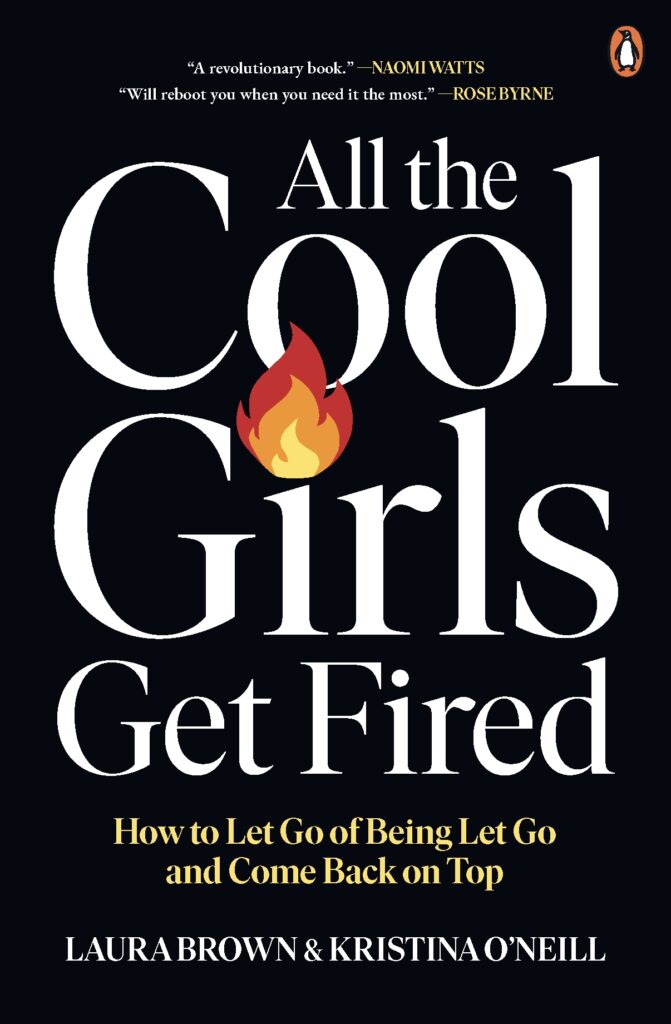
This is an upbeat, and practical take on a topic most people dread talking about: being fired. Written by two former magazine editors who’ve experienced high-profile exits from major publications, the book tries to reframe job loss not as a personal failure but as an opportunity for reinvention.
Drawing on their own stories, as well as interviews with other very well-known women who’ve been through the same thing, Ms Brown and Ms O’Neill offer a mix of empathy, humour, and step-by-step guidance.
The two write with the authority of experience, balancing candour with compassion. The book offers concrete steps for navigating severance, managing finances, updating professional identity, and rebuilding confidence. And they do a convincing job of stripping away the shame of being fired, especially for women in high-profile, high-pressure industries. Brown and O’Neill make it clear that being let go doesn’t mean being left behind.
While their well-practised prose may be a refreshing take on a bleak subject, readers in the middle of a painful job loss might find some of the banter a little too light. There’s also an unmistakable air of privilege: much of the advice assumes access to savings, networks, or legal help that not everyone has.
Though written for an American audience, there are lessons in All the Cool Girls Get Fired that are relatable in an Australian context, particularly now that the notion of a single career for life is not something people consider. Changing jobs, and even changing careers does not carry the same weight of risk as it once did. Traditionally, Australia’s work culture valued understatement and resilience; we’d rather “get on with it”than talk openly about the emotional side of being fired. Brown and O’Neill’s message of radical honesty cuts through that by normalising the conversation around job loss. The book encourages readers to treat being let go not as a failure but as a reset.
Mental health is broached. And although the authors do not make light of it, their advice is for people who, again, can afford to continue to move in elite groups of society, “strike while the pink slip is still hot”, “stay in the world. Be visible”, and where “getting fired is a wake-up call to set some boundaries”. There is a paragraph at the beginning of the mental health chapter that suggests the reader should reach out for help if it’s appropriate. Maybe that is all that should have been written on this deadly serious aspect of losing one’s job.
Unions are mentioned briefly, and in a positive light; although the mention is in the chapter on legal assistance, and the chapter is aimed at a highly corporatised, American, and executive level employment landscape. Suing for unfair dismissal is advised against in this otherwise very well-written glimpse into how the other half get fired!











 The Public Service Association of NSW and Community and Public Sector Union (SPSF Group) NSW Branch acknowledges the Traditional Custodians of the lands where we work and the places in which we live. We pay respect to Ancestors and Elders, past, present and future. We recognise the unique cultural and spiritual relationship and celebrate the contributions of first nations peoples to Australia.
Leave a Comment
Your email address will not be published. Required fields are marked with *