
Changes will potentially affect all the state’s workers.
NSW has passed new rules on workers’ compensation, work health and safety (WHS), and psychosocial risk management. Major legislative updates, new guidance material and expanded support programs will roll out through 2025–26.
At the heart of current developments is the NSW Government’s announcement that an agreement has been reached on workers’ compensation reforms. The State Government claims that these changes will strengthen the sustainability of the system while improving outcomes for injured workers.
However, the union movement, including the PSA CPSU NSW, has voiced concerns that injured workers, particularly those with psychological injuries, will be left without adequate compensation.
The State Insurance Regulatory Authority (SIRA) continues to sharpen its focus on recovery and health outcomes. New guidance on the management of low back pain has been released, while further changes to the health provider space is expected in 2026. SIRA has also worked towards enhancing clarity around surveillance standards of practice and published its annual Recovery at Work Insider review.
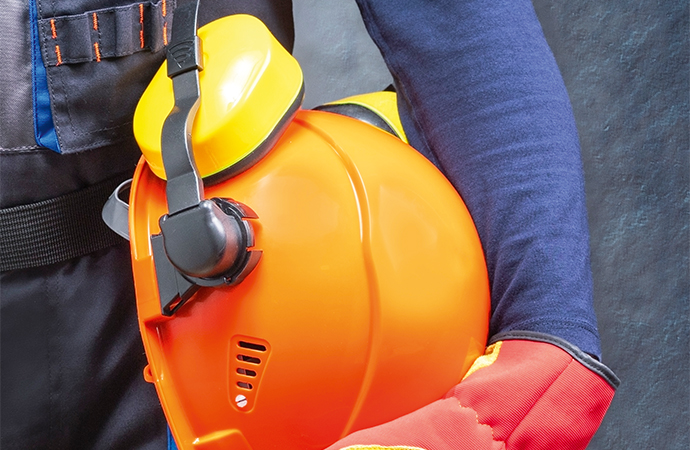
SafeWork NSW has issued new rules to protect workers, including more stringent testing requirements for workplaces with heavy noise issues. Tighter rules on workplace exposure limits for airborne containments are also due to commence later this year.
Significant legislative change is also underway. A new WHS regulation has replaced the previous 2017 regulations, introducing updated terminology, NSW specific requirements,and strengthened psychosocial risk provisions based on the hierarchy of controls. Notably, workplaces storing large quantities of lithium batteries must now lodge emergency plans with Fire and Rescue NSW. The regulations also introduce new enforcement tools, authorised training frameworks and the silica worker register, which commenced1 October 2025. Amendments to the WHS Act and Industrial Relations Act will further expand SafeWork NSW’s powers and clarify duties from March and July 2026.
Across the broader safety landscape, SafeWork NSW is delivering new guidance on workplace sexual harassment, in-home care risks and falls from heights, alongside an expanded program of seminars and workshops. It is also anticipated that multiple Codes of Practice will be redrafted in the coming months, as they are due to be made mandatory commencing on 1 July 2026.
Nationally, Safe Work Australia continues to push for stronger incident notification requirements and evidence-based safety practices, as workplace fatalities in 2025 remain high.
“The changes to the laws governing our workplaces are a mixed bag,” said PSA CPSU NSW Health and Safety Officer Marko Petrovic. “While we are obviously disappointed in the changes to the workers’ compensation system, we welcome tighter controls and increased focus on WHS in workplaces where our members are employed.
“We are keeping abreast of changes so we can use the right tools to protect our members.
“We have already commenced two WHS dispute proceedings at the Industrial Relations Commission, and anticipate there will be more to follow.”









 The Public Service Association of NSW and Community and Public Sector Union (SPSF Group) NSW Branch acknowledges the Traditional Custodians of the lands where we work and the places in which we live. We pay respect to Ancestors and Elders, past, present and future. We recognise the unique cultural and spiritual relationship and celebrate the contributions of first nations peoples to Australia.