

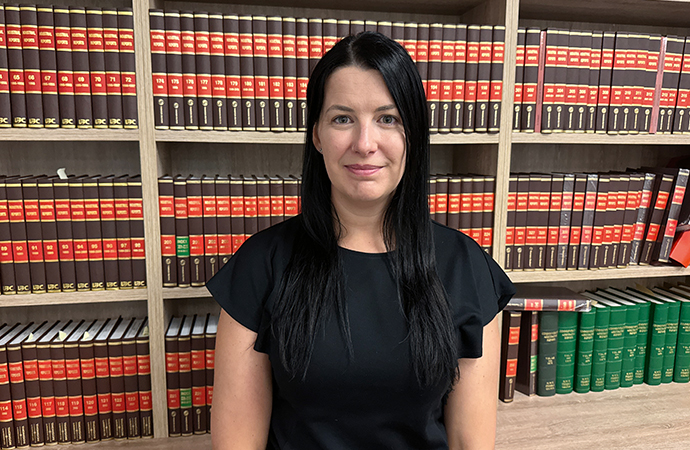
Meet the members healing minds inside.
The NSW prison system has a huge overrepresentation of people with mental illness. PSA member Amy Sowerby is just one of the Psychologists helping inmates negotiate their sentences and, if possible, be released from prison in a better mental state than when they were admitted.
“A very large proportion of inmates present with very serious mental health issues,” she said. “There is not a lot of places for them left in the community. There are no psych wards, for example. So these days, and this has certainly been a sentiment that’s been shared with me by others, gaols are basically becoming big mental institutions.
“In our correctional centre, for example, at least 40 per cent of inmates have a referral with psychology services for mental health or risk of harm to themselves, or some kind of cognitive difficulty that requires assistance.”
Working with inmates, Psychologists deal with confronting material.
“We hear a lot of really distressing, upsetting things that happen to people,” she said. “We see people in a safe cell where all they can be with is a modesty gown because they’re actively trying to end their lives. So not only is it things that we’re hearing, it’s the things that we’re seeing, too. And again, this is not something that Psychologists who work in other areas of government or private sector would be experiencing.
“I read a lot of facts around sex offences, and they’re incredibly detailed. Reading about these horrible sex offences and all the details around them is very, very challenging. It is something that can cause Psychologists a lot of burnout.”
Ms Sowerby has her “own little strategies in place to try to manage that, whether it’s walking my dogs or spending some time with family”.
Ms Sowerby’s journey to her role as a Senior Psychologist has involved extensive years of study and experience in a number of prisons.
“All up, I have a four-year Bachelor degree that includes an Honours year, a one-year Masters of Professional Psychology, where I did the additional one year to obtain my general registration,” she said. “I then did a one-year clinical psychology degree, and then a two-year registrar program out in the field to be a clinical psychologist.”
With so many inmates facing significant self-harm issues, people such as Ms Sowerby can provide the difference between life and death.
“If we’re not there to help those people, they may not even get through a sentence,” she said.
Psychologists are also there to make sure inmates who leave the prison system are in a better mental state for the outside world.
“Without support, they would be going through custody without the ability to learn some new coping strategies in life, to understand why they may do the things that they do,” she said. “They’re learning strategies and ways to cope and manage with those things.
“They then wouldn’t also have those skills when they’re released out into the community where they may go out with untreated mental health issues and even just limited skills in how to manage their day-to-day life and their own day-to-day experience.”
PSA CPSU NSW General Secretary Stewart Little said the members “healing minds inside” are good examples of the importance of public services.
“Psychologists such as Amy are Champions of the State, making NSW a better place for all with every shift they do,” he said.









 The Public Service Association of NSW and Community and Public Sector Union (SPSF Group) NSW Branch acknowledges the Traditional Custodians of the lands where we work and the places in which we live. We pay respect to Ancestors and Elders, past, present and future. We recognise the unique cultural and spiritual relationship and celebrate the contributions of first nations peoples to Australia.