

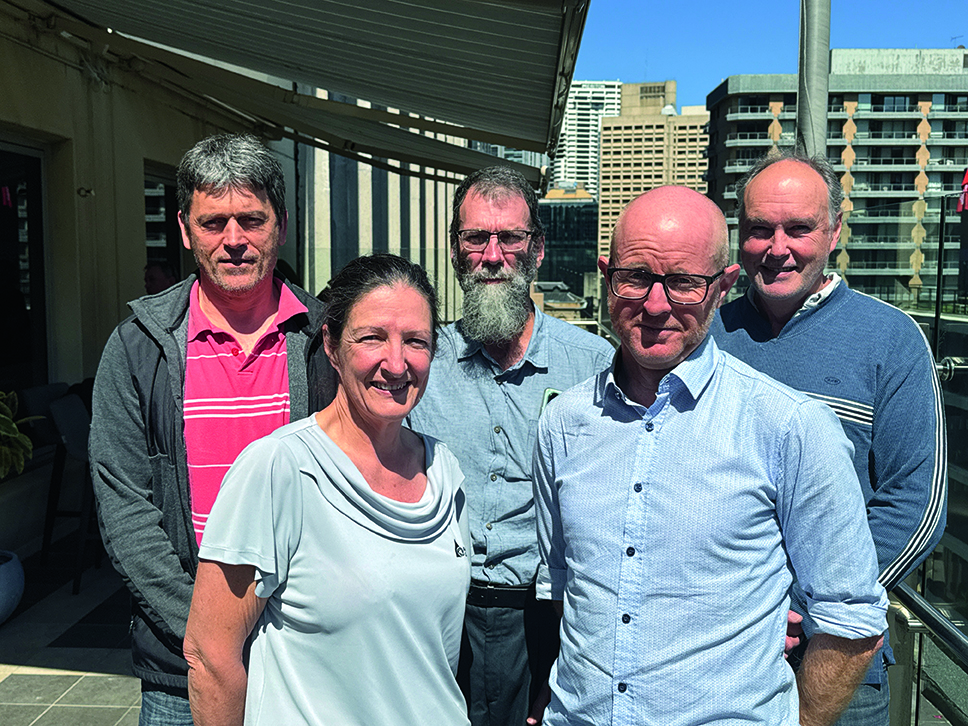
CPSU NSW members in Forestry want their industry to survive.
The creation of the Great Koala National Park in the state’s Mid-North Coast earned the State Government plaudits from environmental groups keen to see native habitat preserved. However, the announcement was met with apprehension by CPSU NSW members working at the state-owned Forestry Corporation, who were worried about the future of their industry
Bob Aspden is a Senior Harvest Planner and Secretary of the Forestry Field Officers Association (FFOA). More than 100 years old, the FFOA is the CPSU NSW’s vocational branch representing Forestry Corporation’s professional foresters.
He said the branch is waiting on more information from the State Government on the industry’s future in the region.
“The FFOA is eagerly awaiting the Government’s Forestry Industry Action Plan,” he said. “This plan is to provide a road map for the future of the plantation and native forest industry in NSW and hopefully will give us some certainty.
“Members of the FFOA are fearful for their jobs as the timber industry that we support has no security without a long-term plan.”
The Great Koala National Park has subsumed a vast area of native forest and surrounds pockets of Forestry Corporation plantation, which can still be harvested for timber. Mr Aspden said, “the Government has come out in support of the plantation industry but is short on detail on how we are to access those plantation forests that are contained within the park.
“The workers need to know the details around the Government’s plan, so staff can choose the option that best suits them and their families.”
Timber sourced in Australia is subject to more rigorous controls than that sourced in many other parts of the world. Therefore, contrary to the simplified chainsaws-versus-koalas debate, maintaining a domestic forestry industry can be a win for the environment.
“Inevitably the timber requirements for domestic consumption in Australia are increasingly going to be met by sources overseas,” said Mr Aspden. “In fact, Australia currently imports far more timber and timber products than it produces. This is despite Australia having the sixth most forest of any country in the world.
“Our members work hard to harvest timbers to meet the needs of our community, and to protect other forest values such as clean water, flora and threatened species. All our work in native forests is audited by the Environment Protection Authority under what has been described as one of the most highly regulated timber industries in the world.
“If you visit your local Bunnings, you will be presented with a range of timbers sourced from tropical rainforests from developing countries in Asia and South America. The management of these native forests is subject to much lower standards and environmental compliance than native forest timber sourced in Australia.
“The forest professionals in NSW work to world’s best practices. It is disappointing to see consumers buying these tropical timber products of lower environmental standards whilst undercutting our locally produced and environmentally sustainable timber.”
In addition to its greener credentials, NSW-sourced timber provides local jobs.
“Forestry has offices in Wauchope, Walcha, Coffs Harbour, Grafton and Casino,” said Mr Aspden. “There are hundreds of people directly employed. There are also numerous timber mills, contractors, roading contractors, transport contractors, planting contractors that directly depend on the forestry industry for their employment. The forest industry on the Mid-North Coast directly and indirectly supports many hundreds of employees and their families. Our jobs are exciting and diverse. We can be firefighting one day, spotlighting for gliders and possums the next, and then driving a four-wheel-drive through remote terrain the next day.
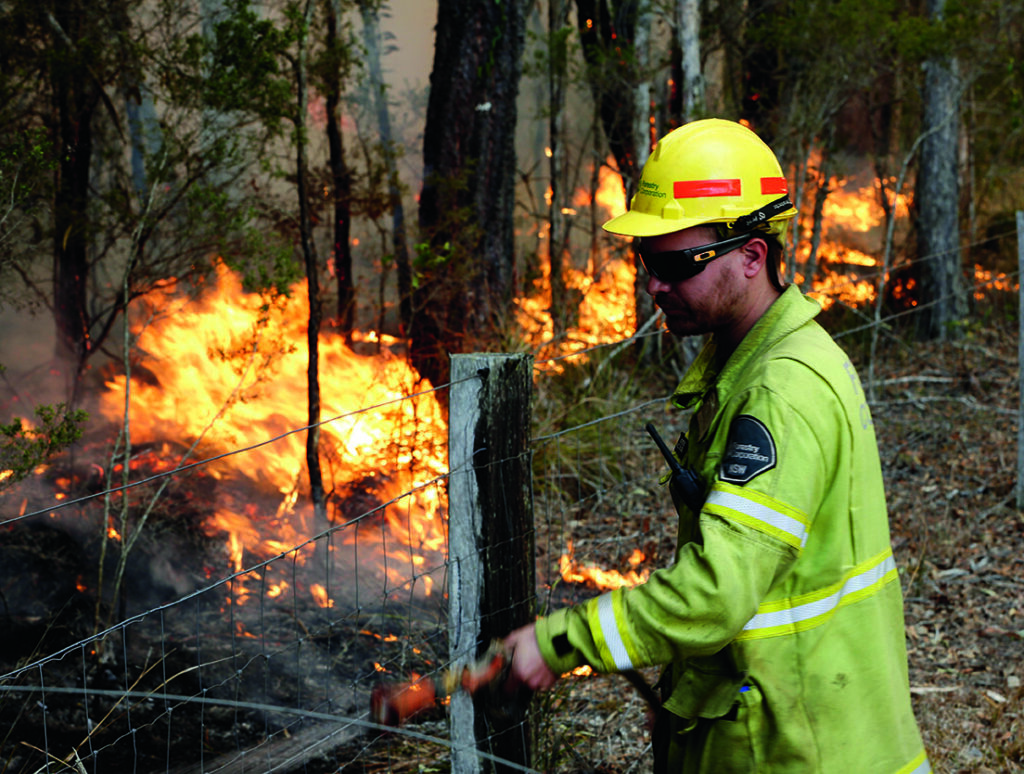
“We perform many roles in managing multi-use State Forests which includes planting, growing and harvesting both native forests and plantation forests. This is done to help service the insatiable demand for construction timber and other forest products like floorboards, veneer, telegraph poles and bridge girders in NSW.
“Unfortunately, due to the constant conversion of public multi-use native forests into new National Parks we are less able to supply a truly sustainable and organic product to the people of NSW. People will start to see this in their local communities as the ubiquitous timber power poles are gradually replaced with plastic ones.”









 The Public Service Association of NSW and Community and Public Sector Union (SPSF Group) NSW Branch acknowledges the Traditional Custodians of the lands where we work and the places in which we live. We pay respect to Ancestors and Elders, past, present and future. We recognise the unique cultural and spiritual relationship and celebrate the contributions of first nations peoples to Australia.