

CPSU NSW member acts as
whistleblower.
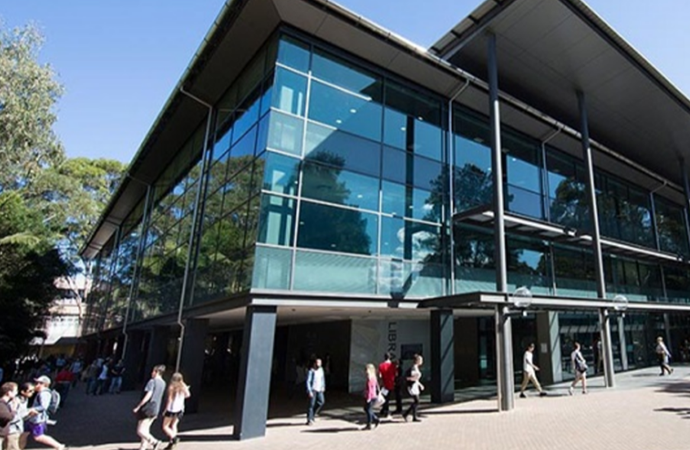
The NSW Independent Commission Against Corruption (ICAC) is examining a series of serious allegations about governance, conflicts of interest, and potentially improper conduct by senior university officials at the University of Wollongong (UOW).
The investigation, known as Operation Scandi, reflects broader concerns about how decisions have been made at the institution and whether those decisions meet public-sector integrity standards.
The inquiry is looking into alleged conflicts of interest among senior executives, particularly involving the university’s chancellor, chief governance officer, and other staff. ICAC is investigating whether these individuals failed to properly manage conflicts when appointing key personnel and engaging external consultants. For example, the appointment of an interim vice-chancellor who retained links to a consulting firm that later received lucrative contracts has raised concerns about impartial decision-making and transparency.
ICAC is also looking at how consultancy contracts were awarded. Under scrutiny is work given to consulting firms such as Aspirall Consulting International and KordaMentha.
ICAC is also looking into allegations of favouritism and manipulation of recruitment processes. Specifically, it will assess whether internal hiring and governance appointments were improperly influenced or “subverted” to benefit certain individuals or associates.
Claims that jobs or positions may have been arranged for particular people raise concerns about merit-based hiring and institutional integrity.
The investigation has been triggered in part by testimony from CPSU NSW Delegate Lisa Simmons, as well as a NSW parliamentary inquiry into the university sector.
Evidence presented to Parliament included claims of centralised decision-making, lack of transparency, and a culture that discouraged staff from raising concerns.










 The Public Service Association of NSW and Community and Public Sector Union (SPSF Group) NSW Branch acknowledges the Traditional Custodians of the lands where we work and the places in which we live. We pay respect to Ancestors and Elders, past, present and future. We recognise the unique cultural and spiritual relationship and celebrate the contributions of first nations peoples to Australia.