

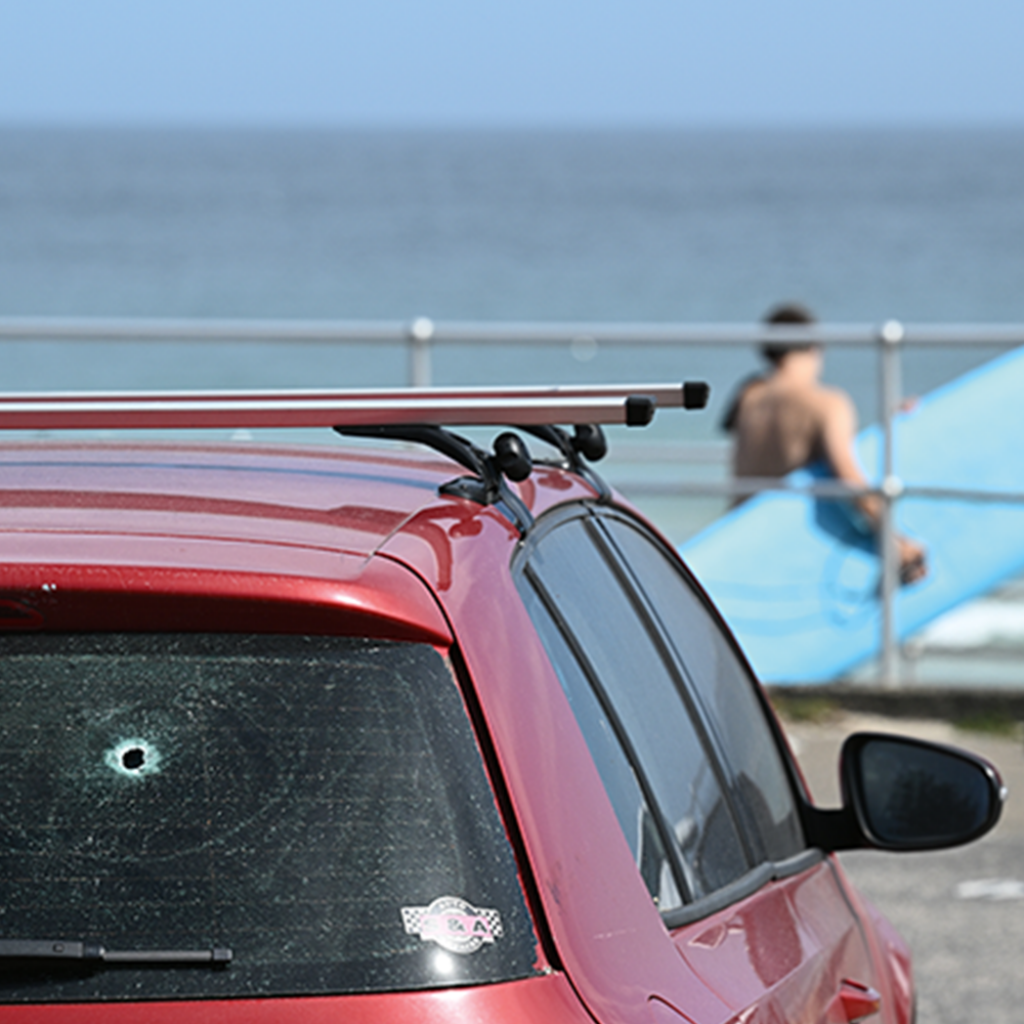
When shots rang out in Bondi, PSA members were called into action.
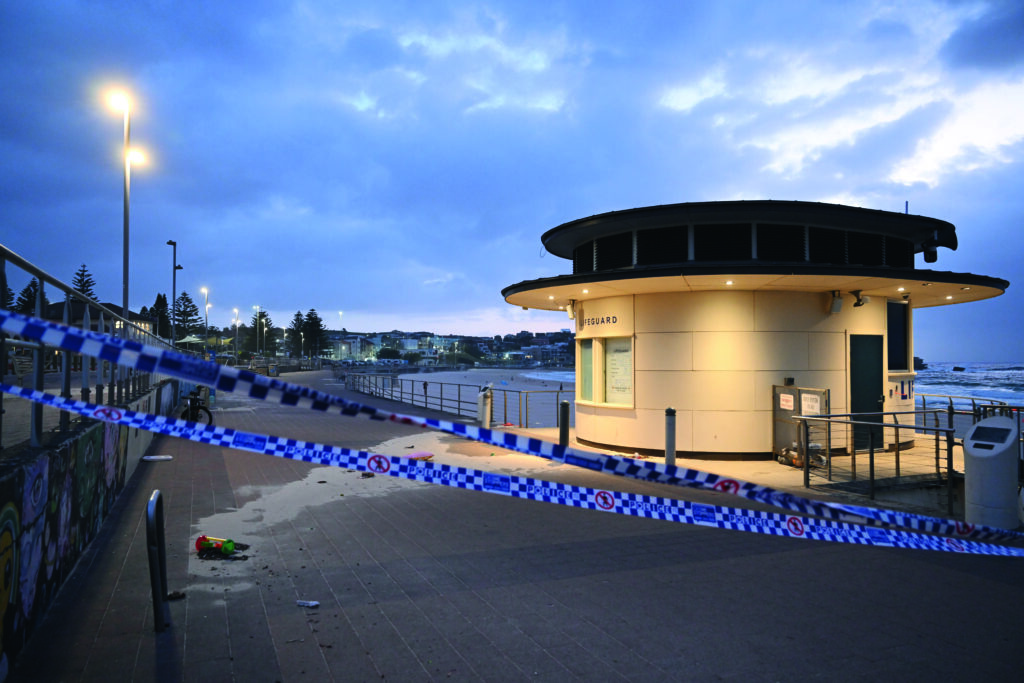
It was the perfect Bondi scene, swimmers enjoying the sea under the watchful eye of Lifesavers, picnickers in the park and, in a reminder of Sydney’s diverse ethnic and religious mosaic, about 1000 people celebrating the Jewish holiday of Hanukkah in a setting that is uniquely Australian.
Nearby, though, were Sajid Akram and his son Naveed Akram, who are alleged to have embarked on a murderous frenzy, shooting indiscriminately into the crowd of worshippers.
Within minutes, 16 people were dead, including Sajid Akram. Forty people were taken to hospital, with amputations the result in some cases.
As soon as the shots rang out, the calls came through to Police. More than 100 calls were received within minutes. All seven of the state’s Police Link and Radio Operations Group centres were activated during the incident, with resources shifted to manage the surge in calls.
Police Link is the contact command of the NSW Police Force, overseeing triple-zero, the Police Assistance Line, CrimeStoppers and other methods of public contact.
Senior Communications Officer Aimie Seage (pictured next page) was on duty that night, as Dispatcher Assistant in the Radio Operations Group. This meant she was the second pair of ears and eyes for the Dispatcher on duty that night.
“It was a team effort with multiple people jumping in to help out,” said Ms Seage. “While the Dispatcher typed and talked, I was in the background doing everything else. This included liaising with other staff and how they could assist us on channel, communicating with the State Coordinator, Supervisors and a Rescue Coordinators in getting important information back and forth between crews on scene and crews behind the scenes.
“We also ensured all the triple-zero calls were given attention and addressed however we could.”
Ms Seage was part of a team working in overdrive that night.
“The mood within the workplace was very mixed,” she said. “A lot of people were in shock, devastated and fearful. For myself being on the channel I was so focused and locked into the job I didn’t have any time to process my emotions until days later.
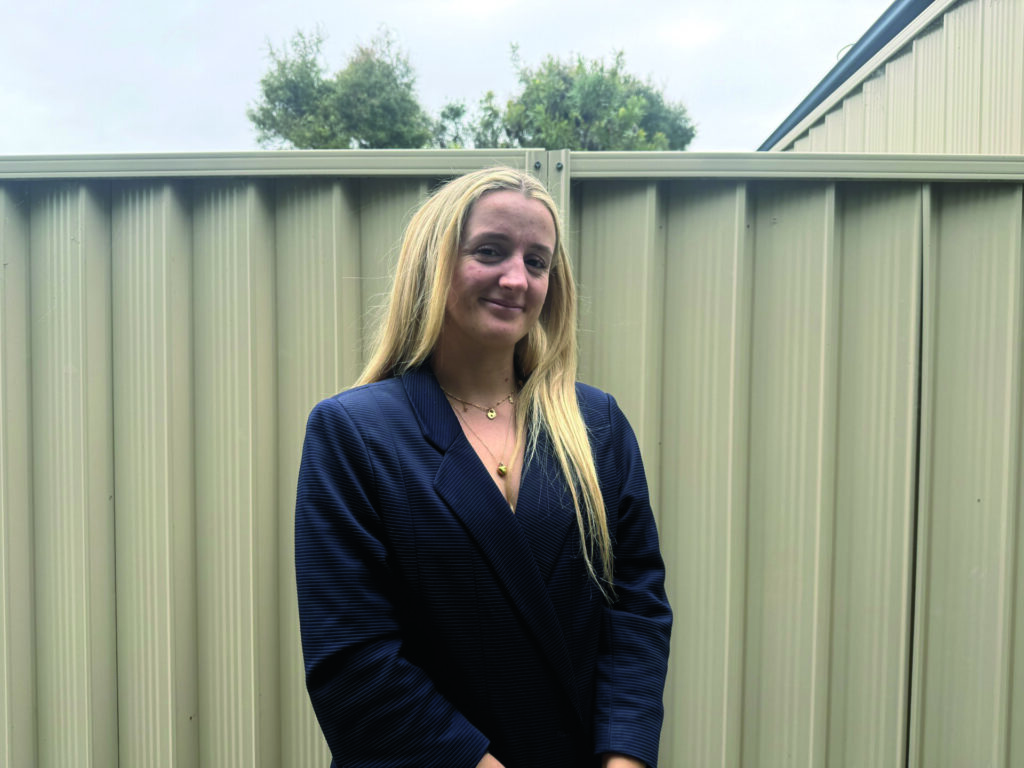
“But as Communications Officers we are trained so well that we have a job to do and that’s to help people so everyone got onto the phones and took triple-zero calls knowing what they may hear and deal with, it was an amazing team effort, despite the shock and devastation.”
A Police Officer on duty at the Tuggerah Police Link centre that night was impressed at the commitment of staff on the floor.
“The Team Leader Group that was present at the time and the staff taking calls did an unbelievable job in such trying times,” said the Police Officer.
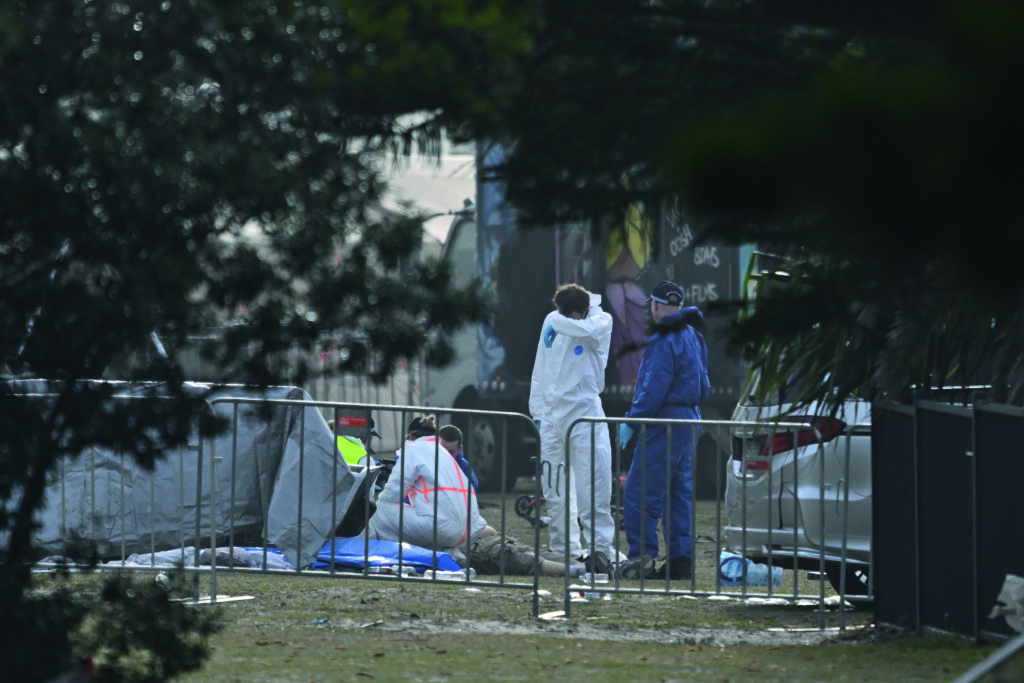
After the calls died down and the scene was cleared by the Police, aided by bystanders, other PSA members moved into action.
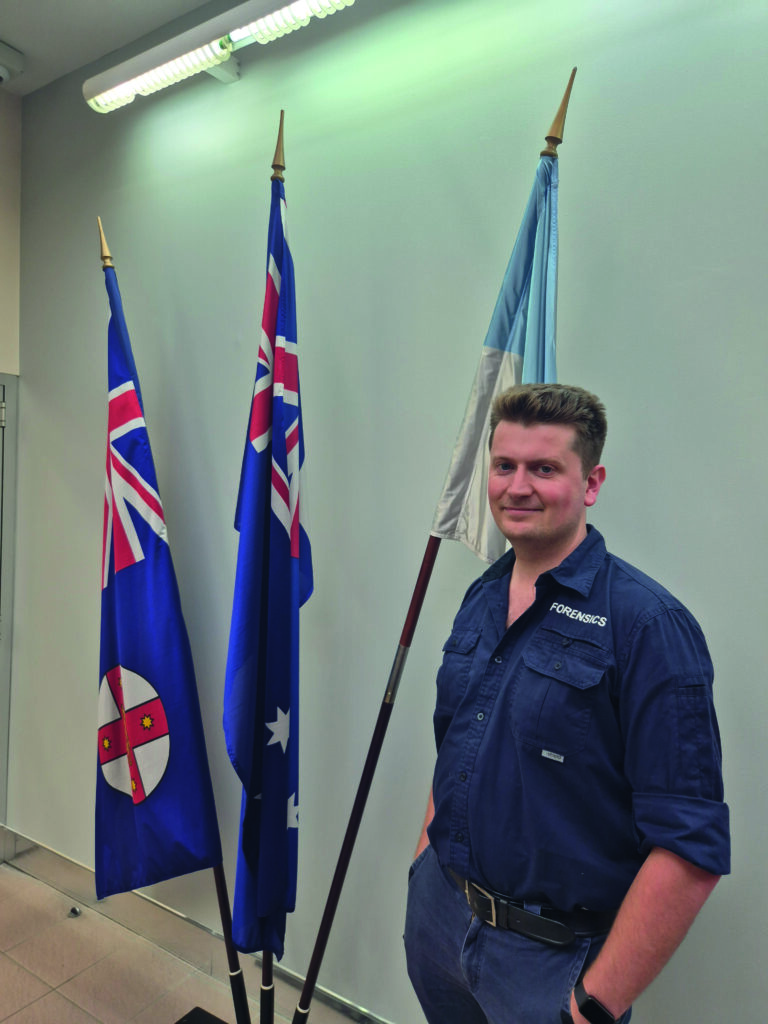
Crime Scene Officer and Forensic Firearm Examiner with the NSW Police Force Ballistics Investigation Section, Thomas Egan (pictured opposite), was on site soon after the tragedy.
“I arrived at the crime scene around 11:45pm on the Sunday night,” he said. “The scene featured a heavy police and forensic presence. I can only describe the scene as confronting and eerily calm and solemn. It is hard to fully describe the scene in detail, however it was clear that people had fled for safety leaving anything and everything behind.
“The victims each lay covered by tarps and it was confronting seeing the sheer volume of bodies that needed to be documented and photographed. It will be a sight that will stay with me.”
Surrounded by bodies, Mr Egan started working on tasks no-one would want to face in their working day.
“My role in the ballistics response to the events at Bondi involved photographing and documenting the victims of the shooting,” he said. “I assisted in documenting the ballistics evidence for each victim and further assisted in the Disaster Victim Identification process conducted by Sydney Crime Scene.
“I further placed the bodies we processed into body bags and respectfully conveyed them to the temporary morgue set up at the scene.”
After the shooting, another Crime Scene Officer within the Forensic Evidence and Technical Services Command, Ron Jones (not his real name), was on the site of the tragedy.
“In relation to the mass shooting event at Bondi, I was involved in the scene examinations over the following days,” he said. “This included recording the scene, including the park, surrounding streets, and vehicles.
“We recovered the deceased bodies and parts scattered throughout the park, using Disaster Victim Identification procedures and recovered ballistic evidence.
“A mobile command post was established adjacent to the park, which was the hub for all tasks for the day. The weather was hot and we were working in direct sun for the majority of the day, which was quite gruelling.”
Sally Miles (not her real name) is a Civilian Crime Scene Officer within the Crime Scene Services Branch was also on the ground.
“I attended the scene and worked with a number of other staff from Crime Scene and Ballistics recording and recovering the deceased persons at the scene,” she said. “This involved photographs, contemporaneous notes, and examining each person for injuries sustained. Part of this duty included ensuring that we facilitated the repatriation of all tissue and bones to the deceased persons.
“Once all deceased persons had been recorded and recovered, our staff had to document, record, and collect the ballistics evidence at the scene. This included analysing bullet trajectories, searching for projectiles, and collecting shotgun shells and fired cartridge cases. These were all photographed, sketched and measured, and recorded in contemporaneous notes.
“In the weeks afterwards, a large volume of exhibits required examination, which was an additional responsibility of Crime Scene employees. Many of these examinations were undertaken by full-time lab employees, but due to the volume, additional shifts from field-based employees was also required.”
Michael Whyte is a Senior Crime Scene Officer and civilian Fingerprint Expert with NSW Police. He is also one of the Team Leaders within the Volume Crime Analysis Unit, working alongside both civilian and sworn examiners.
“My role involves the examination and comparison of fingerprint evidence submitted from crime scenes and investigations across the state, providing identification outcomes that directly support investigators and court proceedings,” he said. “In addition to casework, I have responsibility for supervising staff, mentoring and developing examiners, managing workflow and quality assurance, and contributing to training and continuous improvement initiatives within Fingerprint Operations.
“The role sits at the intersection of frontline policing and forensic science, requiring both technical expertise and leadership to ensure forensic outcomes are accurate, timely, and defensible.”
On the day the terrorists attacked, Mr Whyte’s colleagues swung into action.
“On the day, many civilian forensic staff were heavily involved in supporting the response,” he said. “Colleagues within the Tenprint unit played a critical role in assisting with the identification of the victims who were tragically killed, working under significant time pressure and emotional strain. At the same time, civilian fingerprint experts within the Major Crime Unit were urgently processing fingerprint evidence submitted from the crime scene and exhibits seized as part of the broader investigation.
“While my unit was not directly tasked with the analytical work for this matter, the incident highlighted the indispensable role civilian forensic staff play during major critical incidents.
“These teams work quietly and professionally behind the scenes, ensuring identifications and forensic outcomes are delivered accurately and quickly at a time when the community, investigators, and families are relying on them most.”
The Akrams are alleged to have set up bombs in the car they drove to Bondi. Crime Scene Officers were among the staff called in to defuse the explosives.
“My team assisted by examining the improvised explosive devices that were located on scene,” said Crime Scene Officer, Brian Collins (not his real name). “We also chipped in examining the huge number of exhibits that were collected over the course of the investigation.”
A job that involved collecting body parts of people murdered by terrorists can take its toll mentally.
“It is very important to keep on top of mental health, especially in this line of work,” said Mr Jones. “We regularly meet with a psychologist to discuss this. We find that it also really helps to debrief with colleagues, as a lot of us may be feeling the same about certain jobs. We have a ‘wellness space’ within our section, for just taking some time out when needed.
“Taking care of mental health at work is mainly supported by taking care of ourselves on our days off, to just switch off and focus on self-care.”
The PSA was also on hand to help members affected by the event.
“We recognised this was a distressing and emotionally challenging time for the NSW community, the emergency services agencies, frontline responders and PSA members and staff of NSW Police Force, who are undertaking an incredible job to keep the people of our state safe,” said Industrial Manager David Bartle. “The PSA thanks all NSW Police Force personnel for their dedication, care, professionalism, and compassion during difficult periods such as these.”
PSA Industrial Officer Latu Sailosi visited several sites in the lead-up to Christmas to ensure members knew the union was there to help.
“We knew many of members were doing extended hours,” said Mr Sailosi. “However, we reminded and encouraged everyone to be mindful of their health needs and look after themselves and one another during such a tough time.
“We urged members to take rest breaks when possible, reach out for support when required, and be mindful that colleagues may be experiencing these things differently.”
Ms Miles admits the job has challenges that people outside the Police Force would find hard to understand.
“One of the toughest elements of what I do is relating to other people outside of the job,” she said. “What we do is such a specific and unique job, and sometimes it’s tough to relate to other people in ‘normal’ jobs when they stress about office drama or end-of-month billing.
“Sometimes I have to take a moment to remember that the work we do is extraordinary, and hard for others to relate to, but that doesn’t make anyone else’s problems any less, or any smaller.”
Ms Miles knows her colleagues are there for each other when things get tough.
“At work, camaraderie with teammates is definitely the saving grace,” she said. “Due to staffing we are often required to examine scenes on our own, so it’s really important to chat with colleagues back at the office to help decompress about scenes and experiences.
“I am incredibly lucky to have a great team.”
Ms Seage said help was offered quickly to staff at the Radio Operations Group.
“I have never experienced any form of trauma like this before so dealing with what was to come out of it was unexpected,” she said. “Luckily on the night of the incident we had a critical-incident team and Chaplains arrive to our workplace at record speed.
“They pulled me aside for a chat when I had a second to breathe and spoke to me about what to expect in the coming days and weeks post the incident. Without these services I think I would have struggled a lot more in acknowledging my thoughts and feelings.
“I have never been in a workplace that takes your mental health so seriously, and I felt very supported. My team were wonderful in checking in, people from work past and present reached out and just knowing the support I had, made me proud to be a part of my workplace.”
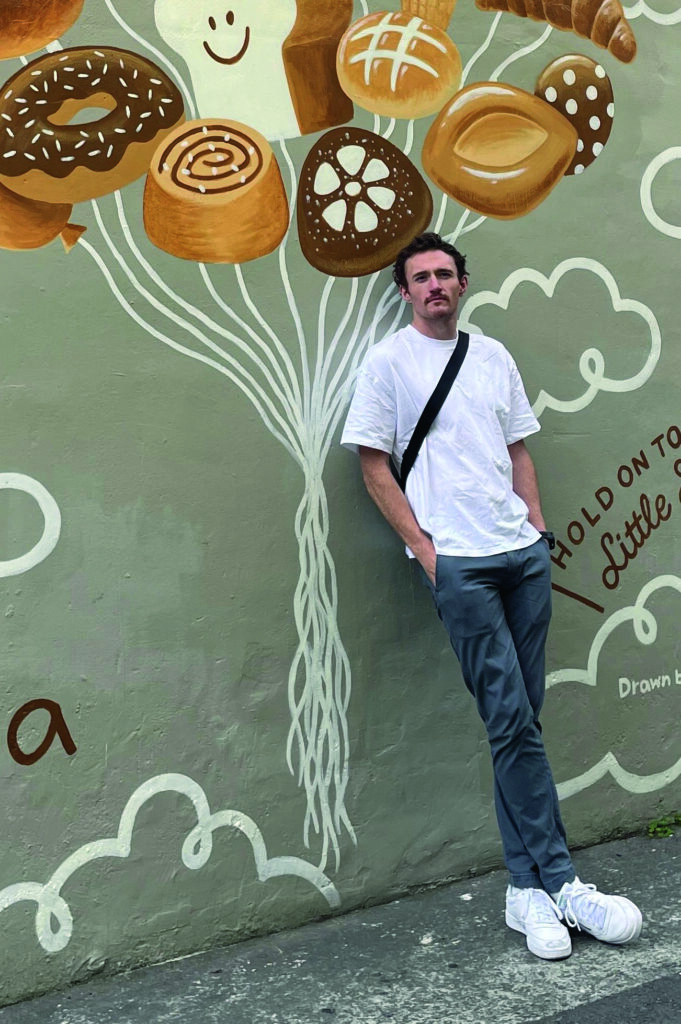
PSA Delegate Michael Shonk (pictured right) recommends members ask for help.
“It is important to reach out for help before you need it,” he said. “The biggest problem with the way we deal with mental health is that it is often up to an individual to work out if they need help with not much in the way of resources to assist with that self-assessment process.”
The PSA represents the staff in a wide variety of roles within NSW Police. In addition to the radio and crime scenes, there are administrative staff, the Police Band and the Special Constables who protect sites such as State Parliament, Government House, the NSW Cabinet Office and even Police Headquarters.
“The maintenance of law and order is a vital part of government and a role that can never be replicated by the private sector,” said PSA CPSU NSW General Secretary Stewart Little. “We are proud to represent these vital workers.
“In the aftermath of the carnage, it is important to remember that their roles do not stop and their work defending the people of NSW continues.”
Ms Miles said attending other jobs after the events at Bondi was “a surreal experience”.
“You are part of a life-changing and world-shattering event and then you have to get in the car and go and examine a scene where someone’s loved one has passed away in their sleep,” she said.
The variety the job brings, though, is one reason the member enjoys going to work.
“I love the diversity and challenging nature of the work,” she said. “It’s stimulating and interesting and keeps me engaged every day. Even the worst jobs have something to find interesting, something new to learn, something to take away.
“I also enjoy solving the puzzles set before us at scenes. Sometimes they reveal themselves. Sometimes you have to work a little harder to have the pieces resolve themselves. These puzzles can be the difference between solved or unsolved, and justice or unanswered questions.
“Getting a resolution for victims or answering questions for bereaved families keeps me motivated and interested in the work.”
Mr Jones said that while dealing with death so often can be confronting, the job has its rewards.
“I really enjoy the day-to-day work that we do,” he said. ‘There is no telling what the day will bring, and some of the jobs we attend are very interesting.”
Mr Egan said he too enjoys playing a “vital” role in investigations.
“It is a rewarding way to be involved in the justice process in an impartial and scientific manner,” he said. “Whilst rewarding, being a crime scene officer in Ballistics is difficult. Forensics is inherently critical to policing and to the courts, but it is narratively invisible. We work behind the scenes often for weeks at a time to examine a constant flow of exhibits and for little recognition. We attend traumatic crime scenes, work odd hours, and undergo intense cross-examination at court, all of which have a negative impact on you.”
However, despite the work being tough, Mr Egan is proud of his role and that of his colleagues.
“I feel very proud of the team here at ballistics for answering the call to duty on that Sunday,” he said. “Many of the team were off duty that weekend and came into the lab knowing that they had a critical job to do. Each crime scene officer here ought to be commended for their efforts on the night, and the days and week after.
“It is a tough job, and this scene has had an impact on each one of us.”







 The Public Service Association of NSW and Community and Public Sector Union (SPSF Group) NSW Branch acknowledges the Traditional Custodians of the lands where we work and the places in which we live. We pay respect to Ancestors and Elders, past, present and future. We recognise the unique cultural and spiritual relationship and celebrate the contributions of first nations peoples to Australia.